
Feeding Made Easy: Nutritional Tips for Small Pets
Small pets like hamsters, guinea pigs, rabbits, and rats make wonderful companions. 💛 But proper nutrition is essential for their health, energy, and well-being. Many pet owners ask questions like: “What can my pet eat?”, “How much is healthy?”, or “Which foods are forbidden?”
11/22/20253 min read

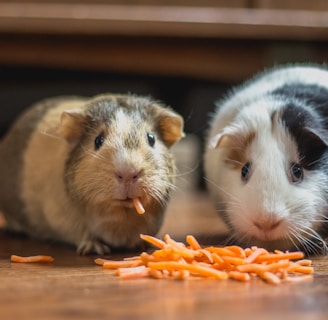
In this article, you’ll learn how to provide healthy meals, proper portions, and avoid dangerous foods for small pets – all in a simple, practical, and fun way.
1️⃣ Basic Principles of Small Pet Nutrition 🥗
Every small pet has specific dietary needs:
Hamsters 🐹: Omnivores; need protein, fruits, vegetables, and grains.
Guinea pigs 🐹: Herbivores; require hay, fresh vegetables, and vitamin C.
Rabbits 🐰: Herbivores; mostly hay, fresh vegetables, and minimal fruit.
Rats 🐀: Omnivores; balanced mix of pellets, vegetables, fruits, and proteins.
Tips:
Fresh water always available 💧
Hay or straw as the main food for herbivores
Daily small portions of fruits and vegetables
Avoid sugar, salt, and highly processed foods
💡 Extra Tip: Monitor your pet’s weight regularly – both underweight and overweight can indicate nutritional issues.
2️⃣ Hay & Green Fodder: The Foundation for Herbivores 🌿
Hay is the cornerstone for guinea pigs, rabbits, and other herbivores. It promotes digestion, dental health, and activity.
Hay Tips:
Provide fresh hay daily
Variety: Meadow hay, alfalfa hay, or herb hay for interest
Check for quality: Avoid mold, dampness, or dusty hay
💡 Tip: Combine hay with fresh vegetables like carrots, bell peppers, cucumbers, or lettuce – ideally organic and untreated.
3️⃣ Vegetables & Fruits: Healthy Extras 🍎🥕
Vegetables and fruits provide essential vitamins and minerals.
Proper Portioning
Hamsters: Small pieces, once or twice a week
Guinea pigs: 1–2 handfuls of vegetables per day; fruit sparingly
Rabbits: 1–2 handfuls of vegetables per day; fruit 1–2 times per week
Popular Options:
Carrots 🥕, bell peppers 🫑, cucumber 🥒, broccoli 🥦, zucchini
Fruits: apple 🍎, pear 🍐, strawberries 🍓 – in moderation
💡 Extra Tip: Guinea pigs need vitamin C supplements since they cannot produce it themselves. Bell peppers and kiwi are excellent choices.
4️⃣ Protein & Grains: For Omnivores 🥚🌾
Hamsters, rats, and other omnivores need protein for growth and energy.
Protein Sources:
Boiled eggs 🥚, small insects 🪲, unseasoned chicken
Specially formulated small pet mix feeds containing protein
Grains & Seeds:
Sunflower seeds 🌻, oats, millet, or flaxseed
Feed sparingly – seeds are calorie-dense
💡 Tip: A balanced combination of protein, vegetables, and grains supports healthy teeth, coat, and energy levels.
5️⃣ Portioning & Feeding Schedule ⏰
The right amount is critical. Small pets can easily gain weight if they receive too many treats or seeds.
Example Portions:
Hamster: 1–2 teaspoons of mix feed per day + vegetables once or twice a week
Guinea pig: 1–2 handfuls of vegetables + unlimited hay daily
Rabbit: 1–2 handfuls of vegetables + hay; fruit sparingly
Rats: 1–2 tablespoons of mix feed + daily fruits/vegetables
💡 Tip: Divide meals into multiple small portions throughout the day – keeps metabolism active and pets engaged.
6️⃣ Forbidden Foods ❌
Some foods are toxic or dangerous for small pets.
Avoid:
Chocolate 🍫, sugar, candy
Onions, garlic 🧄
Avocado 🥑, raw potatoes, tomato leaves
Large amounts of nuts (especially for hamsters)
Dairy for herbivores – difficult to digest
💡 Extra Tip: Always check species-specific guidelines – what is safe for a hamster may not be safe for a rabbit or guinea pig.
7️⃣ Treats & Extras 🦴
Treats should only be given occasionally and never replace main meals.
Dried fruits or small snack pellets
Dried vegetables or herb chips
Homemade treats from healthy ingredients
💡 Tip: Puzzle feeders or hidden treats provide mental stimulation without excess calories.
8️⃣ Water: The Most Important Element 💧
Fresh water is essential for all small pets.
Change daily
Keep clean, no stagnant water
For hamsters, small water bottles work best; guinea pigs may prefer bowls
💡 Tip: Observe your pet’s drinking preferences – some may like sipping from a bottle, others prefer a dish.
9️⃣ Practical Tips for Everyday Feeding 🐾
Plan meals: Measure daily portions to avoid overfeeding.
Fresh supplies: Prepare vegetables and fruits just before feeding.
Variety: Different veggies and types of hay provide mental stimulation.
Observe: Monitor weight, coat quality, and activity – best indicators of nutrition.
💡 Extra Tip: Small pets love to “work” for food – hide it in boxes or puzzle toys for engagement and enrichment.
Conclusion 🐹💛
Healthy feeding for small pets can be simple, fun, and varied. 🥗
With hay as a base, fresh vegetables, protein, grains, water, and occasional treats, your pets remain active and healthy.
Key points: avoid forbidden foods, monitor portion sizes, provide fresh water, and combine feeding with play and mental stimulation. With a little creativity, feeding can be both nourishing and entertaining – for happy, healthy pets. 💖
🐾